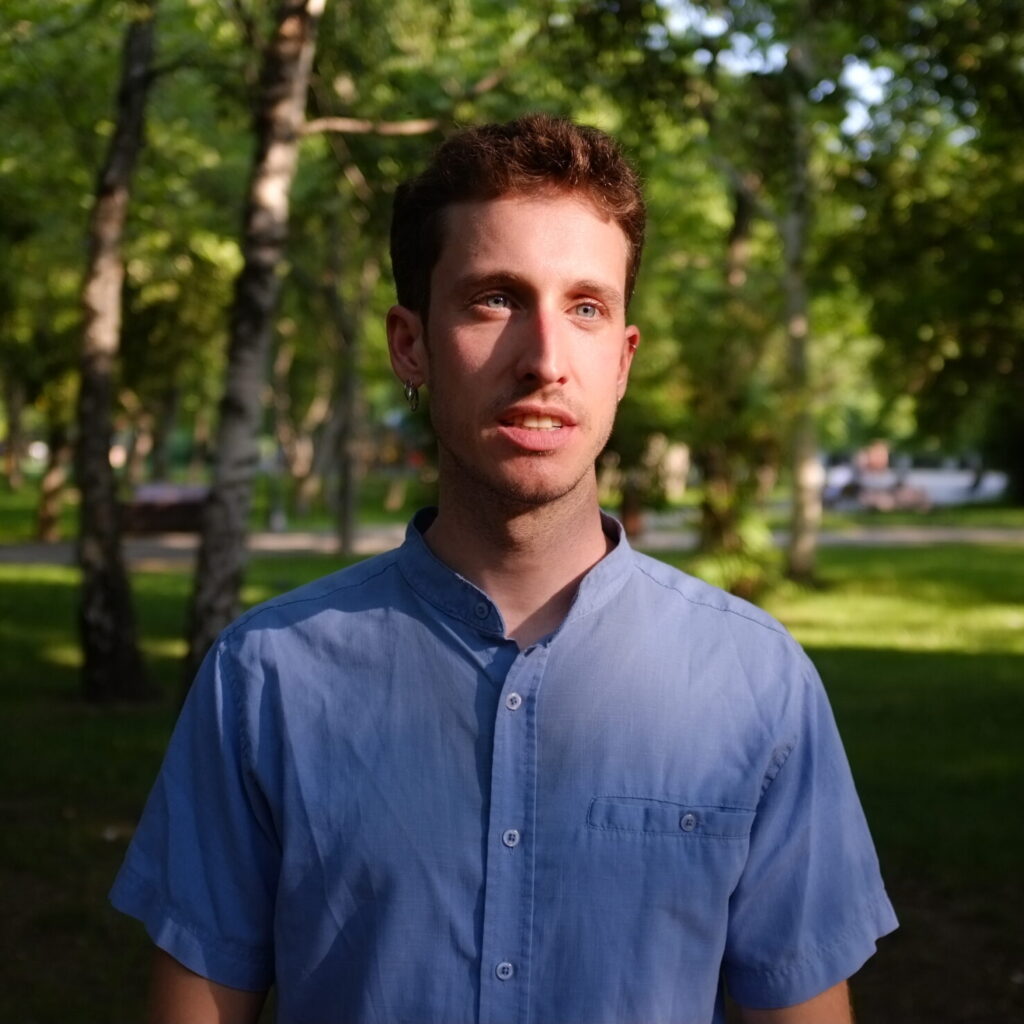
Pablo Castaño

Pablo Castaño is a Barcelona-based freelance journalist and political analyst. He contributes to numerous media outlets, including Jacobin, Tribune, The Nation and Le Monde Diplomatique, where he writes mainly about Spanish and Latin American politics, social movements and environment.

Chile’s left-wing alliance took power with huge optimism in 2022, but hopes of changing the constitution, or even securing reelection, soon faded. Former minister Giorgio Jackson tells Jacobin what went wrong.
Europe has often called itself a global leader in fighting climate change, even promising to halt the sale of new gas-powered cars by 2035. Yet now it’s dropped the plan, as part of a broader retreat from the green transition.
On the fiftieth anniversary of Franco’s death, the influence of his dictatorship still lingers in Spain. As the country’s far right feeds on nostalgia for its fascist past, is its democracy coming under threat?
In Valencia, Spain, the right-wing regional president has quit over the mishandling of floods that killed 229 people. While institutional failures forced his resignation, they’ve also fed support for Vox, a far-right party that opposes action on climate change.
At a time when climate denialism is on the rise on both sides of the Atlantic, geopolitical interests could make or break efforts to stop ecological collapse and bring about climate justice.
According to Colombian expert Estefanía Ciro, the war on drugs has failed to reduce drug consumption, but has served to maintain US military and intelligence apparatuses in Latin America.
Spain’s center-left prime minister, Pedro Sánchez, has been one of the Western leaders most critical of Israel. But words often haven’t translated into action, and rising pro-Palestinian protests are criticizing his government too.
Amid France’s deepening political crisis, can a new social movement grow into a rebellion Macron can’t ignore? Report from Paris.
President Emmanuel Macron last week appointed France’s fifth prime minister since the start of 2024. This Thursday’s mass strike suggests that his gambit has done little to settle the country’s political crisis.
In Romania’s integration into European capitalism, the tough years after the 2008 crisis broke the illusion of continuous progress. The losers of that period are today swinging to far-right parties who tell a story of national victimhood.
Right-wing Spanish groups are helping to incite racist, xenophobic rampages in a cheap attempt at parliamentary gain. Is the Spanish Left strong enough to fight back?
In Barcelona, where residents have grown increasingly frustrated with overtourism and its associated problems, authorities and business associations are trying to push ahead with a plan to enlarge El Prat, Europe’s sixth-busiest airport. But will the project really benefit Catalans and the Spanish economy, as its promoters claim?

I have collaborated with media outlets such as

Books
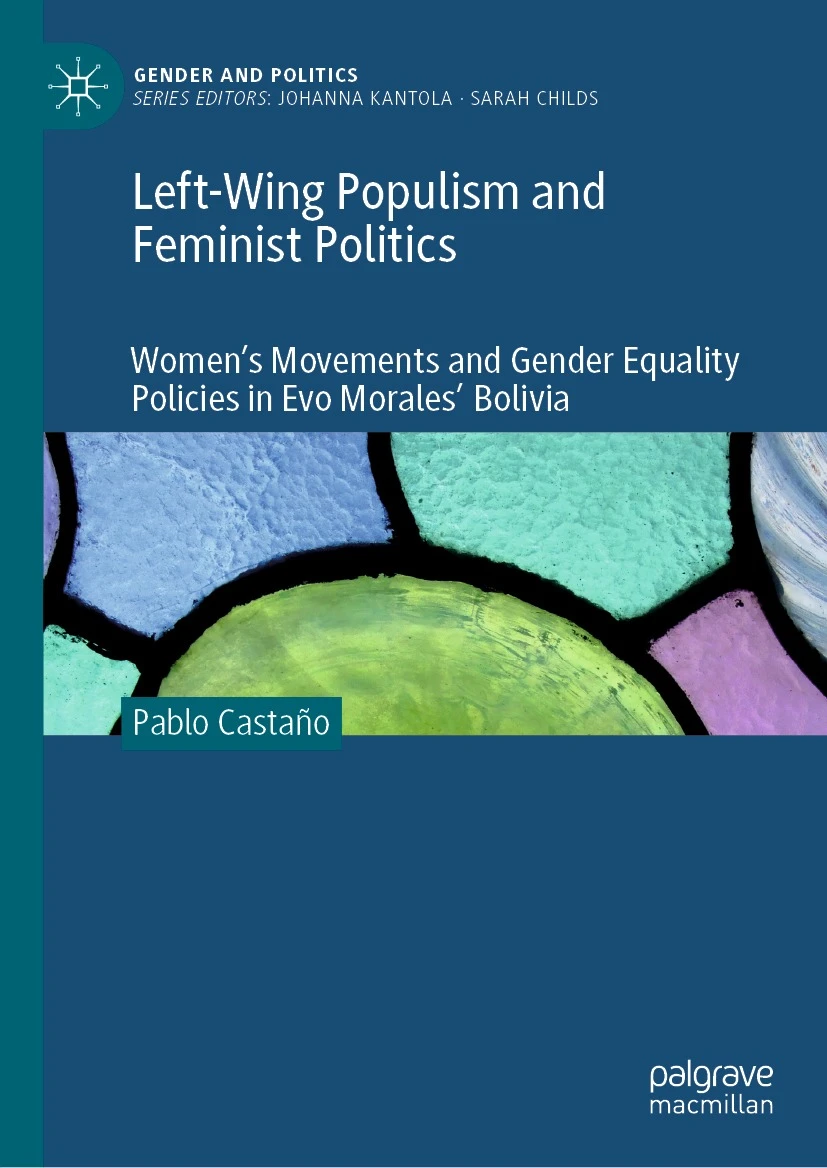
Left-Wing Populism and Feminist Politics: Women’s Movements and Gender Equality Policies in Evo Morales’ Bolivia (Palgrave Macmillan, 2022)

The rise to power of Evo Morales in Bolivia in 2006 sparked enormous hopes for change, including among women’s movements. This book explores the relationship between Morales’s left-wing populism and feminist politics, analysing the gender equality policies promoted by his government, the alliances formed between different women’s movements, and the influence they had on political decision-making. The book is based on Pablo Castaño’s doctoral thesis, enriched by dozens of interviews with activists, policymakers, and experts.
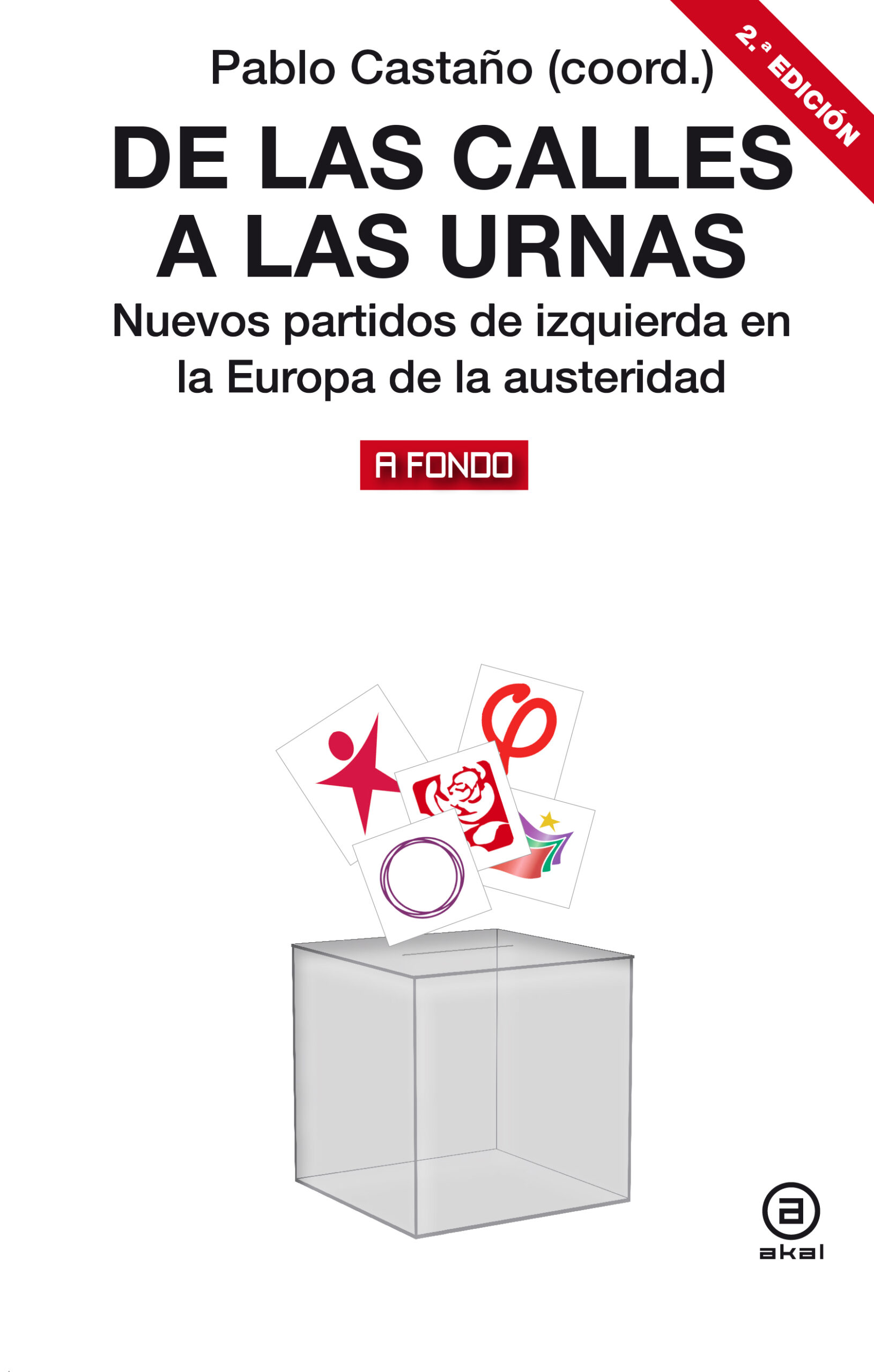
De las calles a las urnas: nuevos partidos de izquierda en la Europa de la austeridad (Akal, 2019)

The 2008 financial crisis triggered a wave of protests across Europe, demanding more democracy and an end to neoliberal austerity policies. This context gave rise to new left-wing parties such as Podemos, La France Insoumise, the Bloco de Esquerda, and the renewed Labour movement under Jeremy Corbyn. This book examines the origins, similarities, differences, and impact of these political forces. The book is edited by Pablo Castaño and includes chapters by Tatiana Llaguno, Catarina Príncipe, Lewis Bassett, Leandros Fischer, George Souvlis, and Pablo Castaño.